Archives: February 2026
When most people think of towing, they picture a small tow truck pulling a broken-down car. While standard towing handles everyday passenger vehicles, heavy-duty towing is a completely different operation. Semi-trucks, buses, and other large commercial vehicles require specialized equipment, skills, and safety measures. Understanding these differences can help drivers and fleet managers choose the right towing service when emergencies happen. Today, we at Highway 30 Towing would like to share how heavy-duty towing differs from standard vehicle towing.
Size & Weight Considerations
The most obvious difference between heavy-duty and standard towing is the size and weight of the vehicles involved. Passenger cars typically weigh between 2,500 and 4,000 pounds, whereas semi-trucks, buses, and heavy equipment can weigh tens of thousands of pounds. Standard tow trucks are designed for lighter vehicles and simply cannot handle the massive weight of heavy-duty trucks. Heavy-duty towing requires specialized trucks with higher weight capacity, reinforced frames, and additional axles to safely lift and transport these vehicles.
Specialized Equipment
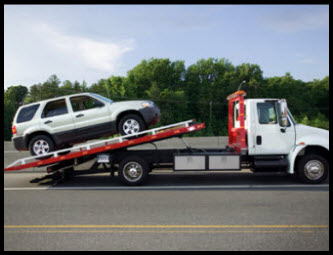
Heavy-duty towing trucks are equipped with advanced tools and technology that standard tow trucks lack. This includes hydraulic winches, wheel lifts, boom systems, and flatbed trailers built to handle extreme loads. Some heavy-duty trucks also feature rotators, which allow operators to recover vehicles from difficult positions such as ditches, embankments, or overpasses. Standard towing typically uses a simple hook-and-chain or flatbed system suitable for smaller cars and SUVs.
Skilled Operators
Towing a semi-truck or bus is not as simple as hooking up a vehicle and driving away. Heavy-duty tow truck operators require extensive training to handle complex equipment and navigate challenging scenarios safely. They must understand weight distribution, securing cargo, and avoiding further damage to the vehicle or surrounding property. In contrast, standard towing requires less specialized knowledge, making it more accessible for general towing operators.
Safety & Regulatory Requirements
Because of the immense size and weight of heavy-duty vehicles, safety is a much bigger concern. Operators must adhere to strict regulations for load securement, transport permits, and sometimes even road restrictions. Additionally, towing a large truck incorrectly can damage infrastructure, like bridges or highways, or create serious accidents. Standard vehicle towing involves far fewer regulatory hurdles, although proper licensing and safety protocols are still necessary.
Cost Differences
Heavy-duty towing is significantly more expensive than standard towing. The specialized equipment, trained personnel, and extended labor involved all contribute to higher costs. Additionally, long-distance towing or complex recoveries, such as winching a truck out of a ditch, can increase prices further. Standard towing is generally more affordable and straightforward due to the simpler process and lighter vehicles.
Towing, Roadside Assistance & More in Cassia, Gooding, Jerome & Twin Falls Counties in Magic Valley, Idaho & Jackpot, Northern Nevada
Heavy-duty towing is a highly specialized service designed to handle vehicles far beyond the size and weight of standard cars. From reinforced equipment and skilled operators to strict safety regulations and higher costs, the differences are significant. For truck drivers, fleet managers, and business owners, understanding these distinctions is essential when selecting a towing service. Choosing a professional heavy-duty towing company ensures that your vehicle is recovered safely, efficiently, and without further damage. Call Highway 30 Towing if you are in need of heavy duty towing services.
Archives
- February 2026
- June 2022
- May 2022
- April 2022
- February 2022
- January 2022
- January 2021
- December 2020
- November 2020
- October 2020
- September 2020
- August 2020
- July 2020
- June 2020
- May 2020
- April 2020
- March 2020
- February 2020
- January 2020
- December 2019
- November 2019
- October 2019
- September 2019
- August 2019
- July 2019
- June 2019
- May 2019
- April 2019
- March 2019
- February 2019
- January 2019
- December 2018
- September 2018
- April 2018
- December 2017
- September 2017
- February 2015
- November 2014